
Alibaba Wan 2.5 API – AI Video Generation with Audio Sync
Short‑form loops · Vertical presets · Fast iteration
Wan 2.5 is tuned for short, responsive generations where speed and control matter. It excels at vertical content, loops, and branded templates, helping creators iterate quickly without sacrificing motion continuity.

Introducing the Alibaba Wan 2.5 API for AI Video Creation
Wan 2.5 focuses on fast iteration with practical control. Prompts that clearly define a single subject and action produce stable loops and consistent motion. Because it’s optimized for vertical output, it pairs well with short‑form social content and template‑driven branding.
Use Wan 2.5 when you need to test ideas rapidly. Keep the language specific and avoid over‑describing style. For loops, call out loopability and ensure the action can restart cleanly. On Mivo, publish finalized clips directly to your profile or export for post‑production.

Generation methods supported by Wan 2.5 API
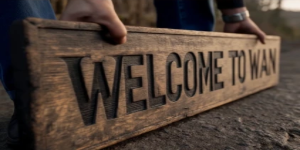
Generate videos directly from text prompts. Describe scenes, actions, and environments to produce cinematic clips with smooth motion and synchronized audio.
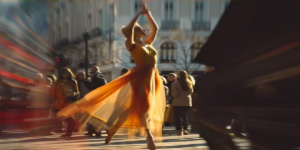
Animate a still image while preserving identity and style. Introduce lifelike camera motion and lighting changes for product showcases and storytelling.
Key features that make Wan 2.5 API stand out
Generate video and audio together in a single request for immersive outputs without extra editing.
Camera angles, lighting, and motion directions are followed closely, helping translate creative intent into consistent results.
Supports a range of looks—from cinematic realism to stylized outputs—while preserving subject identity and scene coherence.
Text‑to‑video and image‑to‑video endpoints with multiple aspect ratios (9:16, 1:1, 16:9) for varied destinations.
How to get started with Wan 2.5 on Mivo
Step 1. Open Generate and choose Wan 2.5. Write one or two clear sentences defining subject and action, then add environment and camera.
Step 2. Select aspect ratio (9:16, 1:1, or 16:9) and keep duration short to iterate quickly.
Step 3. Preview and change a single variable per attempt—camera move, lighting, or mood—to see the effect.
Step 4. When the look is consistent, render a final pass and publish to your Mivo profile or download for external editing.
Wan 2.5 API vs Veo 3: Which Fits Your Needs?
Both Alibaba Wan 2.5 API and Google Veo 3 represent the latest in AI video generation. Each supports text‑to‑video and image‑to‑video; Veo 3 aims for premium cinematic polish, while Wan 2.5 emphasizes native audio‑video sync and rapid iteration.
Wan 2.5 vs Sora 2: Flagship AI Video Generators Compared
Based on recent public information and previews: both models target synchronized audiovisual generation, tighter prompt adherence, and cinematic motion—yet with different philosophies. Sora 2 leans into robust world simulation and managed access; Wan 2.5 emphasizes developer‑friendly previews and fast iteration.
Notes: Summaries based on public previews and community coverage as of late 2025; details may evolve.
Prompt guidance
Use active verbs and keep each clip to one action. Add background, mood, and color briefly to set the look without over‑constraining the model. If you need a seamless loop, say so explicitly and frame the motion so it can repeat.
For branded templates, define composition first, then mention the subject and motion. This helps preserve layout while still allowing expressive movement.
Vertical composition and safe areas
In vertical layouts, keep the subject centered and leave space at the top and bottom for captions or CTA overlays. Early in the process, test typography against your framing so titles and stickers do not clash with motion. For repeatable formats, lock a composition and only vary subject and color.
When the clip includes quick movement, aim for a steady camera with a single subject action so the frame remains readable. Subtle parallax and foreground elements add depth without distracting from the core message.
Loop craft and transitions
To design a seamless loop, choose a motion that can reset naturally—a hand wave, a pendulum sway, or a rotating turntable. Keep lighting steady and avoid sudden occlusions that make the cut visible. If needed, add a micro‑dissolve in post to hide the seam.
For carousel or multi‑clip posts, match color tone and contrast between takes so transitions feel intentional. A gentle global vignette or light halation can unify shots generated at different times.
Text‑to‑video vs image‑to‑video
Use text‑to‑video to brainstorm quickly and discover a direction for motion and framing. When branding or character identity must stay consistent, switch to image‑to‑video so the subject, logo position, or composition remains stable as you add movement.
Many teams start with short text‑based clips to validate concepts, then lock a strong reference frame and iterate with image‑to‑video for finals. This preserves proportions and layout across attempts.
Template‑driven branding
Define a template with fixed margins, type styles, and a safe area for product or subject. Then describe only the subject motion and mood in each prompt. This approach speeds up production while keeping every post on‑brand.
When reusing templates, favor consistent camera language and lighting. If a variation feels off, reduce style text and keep descriptors that directly support your theme, like “soft daylight studio” or “neon arcade glow.”
Aspect ratios and duration
Choose 9:16 for vertical placements, 1:1 when center‑weighted composition matters, and 16:9 for widescreen contexts. Start with short durations to iterate rapidly; extend only after you are confident in framing and motion.
Short loops between five and twelve seconds perform well for discovery feeds. If you need a longer narrative, assemble several concise clips in post rather than forcing a single extended take.
Post‑production workflow
Export from Mivo and add captions, stickers, or light color finishing in your editor. Keep overlays within the vertical safe area and test on different device sizes. A consistent text style and a subtle audio bed help unify a series of clips.
To maintain loop integrity, avoid hard cuts at the seam and place transitions on downbeats. When pacing a set of clips, arrange them by energy to guide attention from quiet moments to highlights.
Troubleshooting and refinement
If motion looks busy, simplify to one action and reduce background detail. When the subject drifts off center, restate framing and specify a steady camera. If style varies across takes, reuse a compact prompt skeleton and only change one variable between attempts.
For loops that pop at the join, shorten the move, reduce highlights near the seam, and add a subtle crossfade in post. Keep comparisons side by side to measure progress against a clear target.